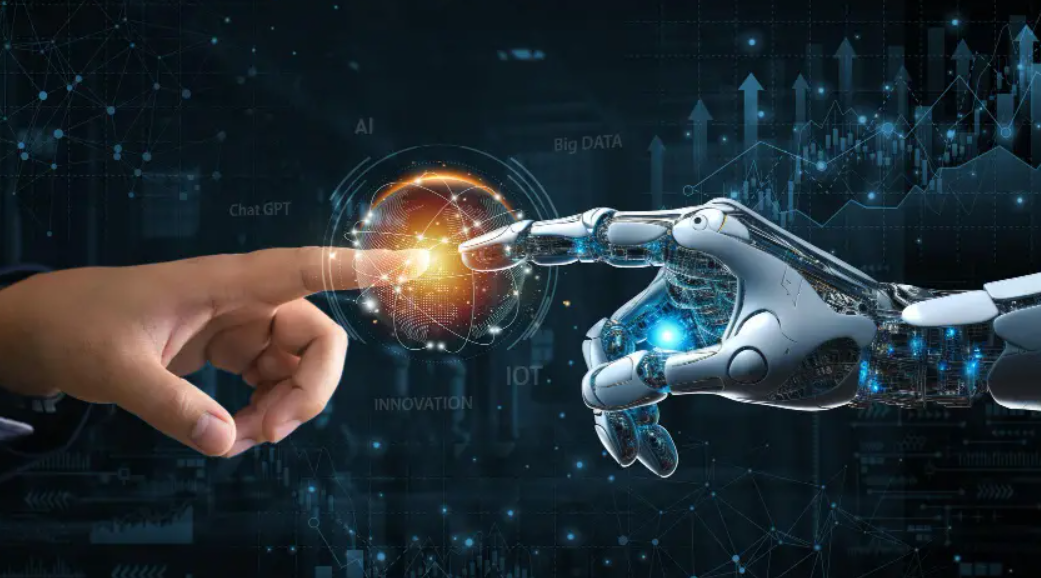
Artificial Intelligence (AI) represents a significant evolution in computational technology. It enables machines to perform tasks that require human-like intelligence, such as language comprehension and decision-making. The foundation of AI lies in machine learning and neural networks, which facilitate learning from data. As AI continues to permeate various industries, its implications on efficiency and innovation warrant closer examination. What remains to be seen is the extent of its transformative potential across different sectors.
Understanding the Basics of Artificial Intelligence
Artificial Intelligence (AI) represents a paradigm shift in computational capabilities, enabling machines to perform tasks that traditionally required human intelligence.
Central to this evolution are machine learning and neural networks, which facilitate adaptive learning and pattern recognition.
See also: Wearable Technology Trends
Key Types of AI Technologies
AI technologies can be categorized into several key types, each serving distinct functions and applications.
Prominent among these are machine learning and neural networks. Machine learning enables systems to learn from data and improve over time, while neural networks mimic the human brain’s architecture to process complex information.
Together, these technologies drive innovation and empower users to unlock previously unattainable levels of efficiency and insight.
Real-World Applications of AI
The capabilities of machine learning and neural networks have opened the door to a multitude of real-world applications that enhance various industries.
Healthcare advancements leverage AI for diagnostics, while autonomous vehicles revolutionize transportation.
In customer service, natural language processing improves interactions.
Additionally, AI optimizes supply chains, detects fraud, enables personalized marketing, and enhances smart homes, creating a more interconnected and efficient environment.
The Future of Artificial Intelligence and Its Impact
As advancements in machine learning and computational power continue to accelerate, the future landscape of artificial intelligence promises profound transformations across all sectors.
Ethical considerations will take center stage, as the integration of AI into daily life raises important societal implications. Stakeholders must navigate the balance between innovation and responsibility, ensuring that AI development aligns with human values and fosters equitable outcomes for all.
Conclusion
In conclusion, artificial intelligence stands as a beacon illuminating the path to a future brimming with potential and innovation. Like a skilled artisan, AI weaves intricate patterns of efficiency into the fabric of everyday life, transforming industries and redefining human-machine interaction. As we stand at the precipice of this technological revolution, the interplay between human ingenuity and machine learning promises to unlock new realms of possibility, guiding society toward uncharted territories of advancement and understanding.