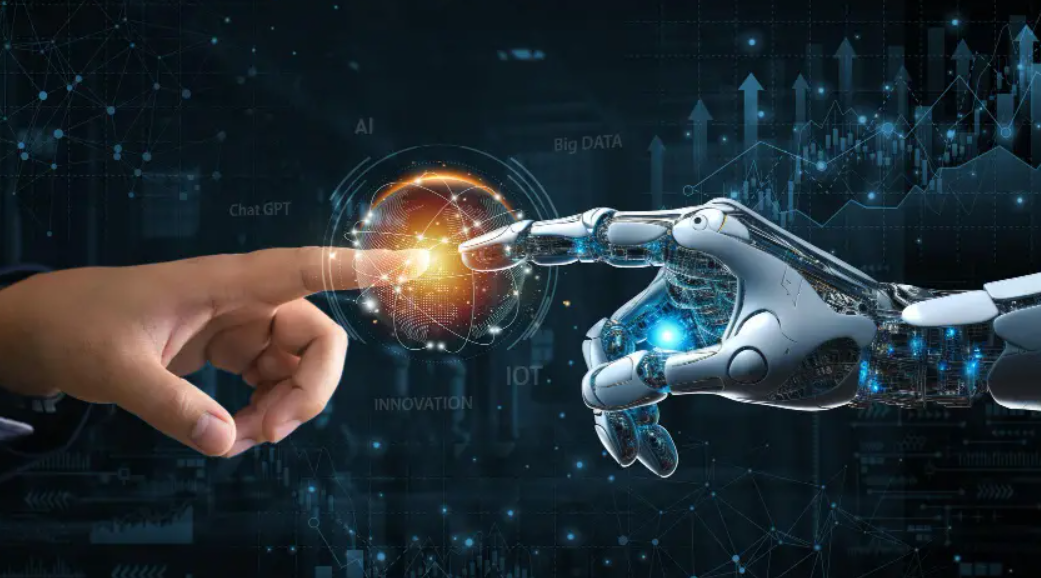
Technological innovation is reshaping various sectors, driven by advancements in artificial intelligence, automation, and the Internet of Things. AI and machine learning are enhancing decision-making processes, while automation is significantly altering job landscapes. Meanwhile, the rise of smart devices is redefining consumer interactions. As these trends unfold, questions surrounding ethical implications and long-term sustainability emerge, prompting a closer examination of their impacts on society and the economy. What lies ahead in this rapidly evolving landscape?
The Rise of Artificial Intelligence and Machine Learning
As industries increasingly embrace digital transformation, the rise of artificial intelligence (AI) and machine learning (ML) has emerged as a pivotal force reshaping the technological landscape.
With applications in predictive analytics and intelligent systems, these technologies raise critical concerns around AI ethics and data privacy.
The deployment of neural networks and autonomous agents also necessitates scrutiny to mitigate algorithm bias and ensure equitable outcomes.
See also: turfofaso
The Impact of Automation on Workforce Dynamics
While the integration of automation technologies into various sectors promises increased efficiency and productivity, it simultaneously poses significant challenges for workforce dynamics.
Job displacement raises concerns about economic inequality, necessitating workforce retraining and skill adaptation.
As remote work becomes prevalent, employee satisfaction may fluctuate, influencing the labor market’s overall health.
Ultimately, balancing productivity enhancement with humane employment practices is crucial for sustainable growth.
The Growth of Smart Devices and IoT Connectivity
The rapid proliferation of smart devices and the seamless integration of Internet of Things (IoT) connectivity have fundamentally transformed the landscape of consumer technology.
Smart homes utilize voice assistants and wearable technology for enhanced health monitoring, while connected cars improve transportation efficiency.
Additionally, IoT security measures ensure safety in smart agriculture and environmental monitoring, enabling users to embrace a more connected and liberated lifestyle.
The Future of Renewable Energy Technologies
How might the future of renewable energy technologies reshape global energy landscapes?
Solar power advancements, coupled with innovative energy storage solutions, promise to enhance efficiency and accessibility.
As these technologies evolve, they will empower communities, reduce reliance on fossil fuels, and drive economic growth.
This transformation heralds a new era of energy independence, fostering a sustainable environment and ensuring freedom from traditional energy constraints.
Conclusion
In conclusion, the landscape of technological innovation is rapidly shifting, with artificial intelligence, automation, and IoT at the forefront. As these advancements make waves across industries, the need for ethical considerations becomes increasingly apparent. With the world at a technological crossroads, embracing these innovations while mitigating their risks is crucial. If society navigates this evolving terrain wisely, it can reap the rewards of a smarter, more efficient future, ensuring that the benefits do not slip through its fingers.